Review: Black Glitter Cow Print 20oz Tumbler Design
As a designer who spends more time staring at stitch maps than most people spend watching television, I approach every new digital embroidery file with a mix of excitement and skepticism. When I first pulled up the Black Glitter Cow Print 20oz Tumbler graphic, my initial reaction wasn't about how it would look on a cup, but how this bold aesthetic could translate into a tangible handmade product. We often see trends in the sublimation world that beg to be adapted for needle and thread, and this specific pattern is no exception. It carries a mood that is equal parts playful and chic, making it a strong contender for modern custom apparel and boutique accessories.
First Impressions and Visual Personality
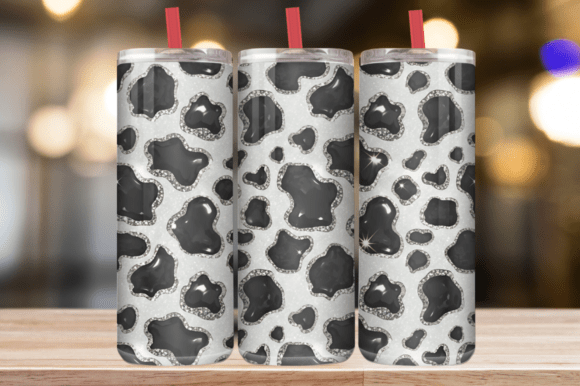
The visual personality of this design is undeniable. The high contrast between the deep black and the implied sparkle creates a dynamic rhythm that catches the eye immediately. In the context of Tumbler Wraps, this works because the curve of the cup allows the pattern to flow continuously. However, as an embroiderer, I look at this and see potential for a striking embroidered patch or a statement pocket detail on a denim jacket. The "glitter" element in the original Graphics file suggests a texture that we can mimic through clever thread selection. Using a metallic or variegated thread colors palette against a matte black background could replicate that shimmering effect beautifully, adding depth that flat printing simply cannot achieve.
The layout of the cow print spots varies in size, which is excellent for breaking up large areas of fill. In embroidery, huge blocks of solid color can sometimes look heavy or cause fabric distortion. The organic, scattered nature of this print allows for a balanced distribution of stitch density. It feels like a design that belongs on items meant to be seen and touched, rather than hidden away. It screams "boutique" and fits perfectly into the current market demand for personalized, trendy goods.
Real-World Application Scenarios
Let's move from theory to practice. Imagine you are preparing a custom order for a local boutique that specializes in western-inspired fashion. They want a line of sweatshirt embroidery that stands out without being overly literal. This design is perfect for a left-chest logo or a large back yoke detail. By adapting the Black Glitter Cow Print 20oz Tumbler motif, you aren't just copying a image; you are creating a finished product that feels exclusive.
Another viable scenario is the creation of a tote bag design for a craft fair. Canvas bags are sturdy enough to handle moderate density, and the black-and-white theme pairs well with natural cotton or dyed fabrics. If you were to digitize this as an applique design, using black velvet or faux leather for the spots against a white canvas base, you would elevate the perceived value significantly. Customers love texture, and combining the visual trend of cow print with the tactile feel of different fabrics creates a memorable personalized gift.
For those running an Etsy seller shop focused on nursery decor, this pattern could be scaled down for baby embroidery projects. Think of a bib or a burp cloth set. The key here is scaling. While the original is sized for a 20oz tumbler, the repeating nature of the pattern means it can be tiled or cropped to fit smaller hoop size constraints without losing its identity. It offers a gender-neutral yet stylish option for modern parents who want something cooler than typical pastel animals.
Technical Considerations and Fabric Compatibility
While the aesthetic appeal is high, we must discuss the technical realities of stitching this out. The original file is a PNG intended for wrapping, meaning it is a raster image, not a pre-digitized machine embroidery design. This is a crucial distinction. You cannot simply load this into your machine and hit start. It requires professional digitizing to convert those pixels into satin stitch, fill stitch, or running stitch commands.
If you are planning to use this motif on textured fabrics like towels or fleece, you need to be mindful of the stabilizer choice. A cut-away stabilizer is likely necessary to prevent the design from sinking into the pile of the fabric, which would obscure the crisp edges of the cow spots. On stretchy fabric like jersey knits, the density of the black areas could cause puckering if not compensated for with proper pull compensation settings during the digitizing phase.
Furthermore, consider the fabric texture of dark garments. If you are stitching this onto a black hoodie, the black spots will disappear unless you use a very specific thread sheen or a slightly lighter charcoal thread to create definition. Conversely, on light fabrics, the black fill needs to be dense enough to prevent the background fabric from showing through, which can ruin the clean look of the print. Always test the design on scrap fabric first. Check the thread color contrast and review the stitch direction. Diagonal fills often look more dynamic on organic shapes than straight horizontal lines.
Business Value and Customer Perception
In the world of commercial embroidery, consistency is king. Using a recognizable trend like this across your product line helps with brand recognition. Whether it's on a cap, an apron, or a pillow cover, the consistent use of this pattern tells your customer that you are current and attentive to design trends. It adds a layer of professionalism to your craft business.
However, there are limitations. Do not attempt to use this level of detail on very small areas, such as the front of a structured cap near the seam, or on items that require frequent, harsh washing unless the edges are properly finished. Tiny details in the "glitter" simulation might get lost or fray over time. For holiday embroidery gifts, ensure the design is robust enough to survive the season. A kitchen towel with this design might look great initially, but if the stitch count is too high for a thin linen, it will warp the towel immediately.
Final Designer Notes
Before committing to a production run, treat the Black Glitter Cow Print 20oz Tumbler image as a reference asset rather than a ready-to-stitch file. Create printable mockups to show clients how the embroidered version will differ from the sublimated original. Compare how it looks on light versus dark backgrounds. Most importantly, verify the licensing terms. Since this is described as an AI-crafted masterpiece for tumbler wraps, ensure you have the right to adapt it for design assets in other mediums like embroidery. Many digital sellers restrict the use of their graphics to specific applications.
Ultimately, this design holds significant promise for the creative entrepreneur willing to put in the digitizing work. It bridges the gap between digital trends and tactile craftsmanship. With the right embroidery project planning, it can transform a simple item into a high-value small shop product that customers are eager to buy. Just remember: the magic isn't in the download; it's in the execution.