Review: Autism Awareness Puzzle Bow Tumbler Wrap
As a designer who spends more time at the hoop than away from it, I approach every new digital embroidery file with a mix of excitement and skepticism. We have all downloaded a design that looked perfect on the screen but turned into a thread-breaking nightmare on the fabric. Today, I am taking a close look at the Autism Awareness Puzzle Bow Tumbler Wrap. While the product listing categorizes this under Tumbler Wraps and Graphics, my interest lies in how this specific visual asset translates into a tangible, stitched reality for our craft businesses.
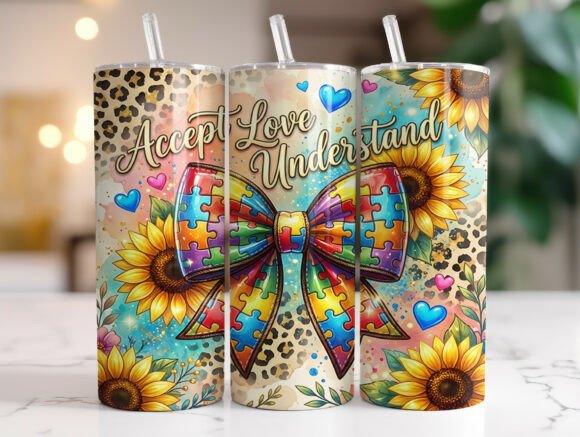
The first thing that strikes me about this design is its mood. It balances advocacy with aesthetics. The puzzle piece motif is iconic within the autism community, representing the complexity and uniqueness of the spectrum, while the bow adds a touch of softness and style. Visually, the layout feels intentional. At 9.3″ x 8.2″, the scale is substantial. For a digital graphic intended for sublimation or printing, this resolution of 300 DPI is solid. However, for us embroidery enthusiasts, the real question is: how do we adapt this high-resolution PNG into a stitch-out that honors the cause without compromising quality?
From Screen to Stitch: A Real-World Scenario
Let's imagine a realistic scenario. A customer approaches your small shop requesting a custom item for an autism awareness walk or a family gathering. They want something that stands out but isn't just a plain t-shirt. You decide to create a personalized tote bag or a structured apron using the imagery from the Autism Awareness Puzzle Bow Tumbler Wrap.
Because this file arrives as a PNG (both straight and tapered versions), it is technically a graphic, not a pre-digitized machine embroidery design. This is a crucial distinction. To use this in an embroidery project, you would need to digitize it yourself or use auto-digitizing software, treating the PNG as your source art. The clean lines and distinct color blocks in the puzzle bow suggest it would convert well into a combination of fill stitch for the puzzle pieces and satin stitch for the bow's outline. The clarity of the original graphic means your digitizing process should be straightforward, allowing you to control the stitch density to ensure the final product remains flexible and durable.
Evaluating Visual Appeal and Product Value
When you successfully translate this graphic into embroidery, the impact on the finished product is significant. The puzzle bow design carries immediate recognition. For an Etsy seller or a boutique owner, offering items that support neurodiversity can deepen customer trust and brand loyalty. The visual personality of the design is friendly and inviting, making it suitable for a wide range of applications beyond just apparel.
Consider a sweatshirt embroidery project. The bold shapes of the puzzle pieces would pop beautifully against a heather grey or navy fleece. If you are creating a personalized gift for a teacher or a therapist, applying this design to a canvas tote or a kitchen towel adds a thoughtful, professional touch. The "bow" element softens the geometric nature of the puzzle pieces, making the design feel less clinical and more celebratory. This balance is what drives buyer engagement; people want to wear or display symbols that feel good, not just informative.
Navigating Fabric and Hoop Challenges
However, practical application requires caution. Since the source file is a large graphic (over 9 inches), you must be mindful of your hoop size. Most standard home machines max out at 5x7 or 6x10 inches. To stitch this design in one go, you would need a large-format machine or a commercial setup. Alternatively, you might choose to isolate the bow or a single puzzle cluster for smaller projects like baby embroidery on onesies or caps.
Texture matters immensely here. If you are stitching onto a textured fabric like a waffle knit or a rough canvas, fine details in the puzzle edges might get lost. In such cases, increasing the pull compensation during digitizing is essential. Similarly, be wary of using this on stretchy fabrics without proper stabilization. A dense fill stitch on a thin jersey t-shirt can cause puckering, ruining the crisp look of the puzzle shapes. Always test on scrap fabric first. Check how the thread colors interact with the base material; a dark fabric might require a white underlay to make the vibrant puzzle colors truly sing.
Commercial Viability and Designer Notes
For those running a craft business, the versatility of this asset is a major plus. Even if you primarily sell sublimated tumblers using the provided tapered PNG, having the ability to offer matching embroidered patches or appliques creates a cohesive product line. Imagine selling a "Awareness Kit" that includes a tumbler wrap and a matching embroidered patch for a backpack. This cross-category approach maximizes the value of the design assets you purchase.
Before committing to a production run, keep these practical notes in mind:
- Digitizing Strategy: Since this is a PNG, do not assume it is ready to stitch. You must convert it. Pay attention to the corners of the puzzle pieces; sharp angles often need tie-ins or specific stitch directions to prevent fraying over time.
- Color Contrast: Test your design in black and white mockups first. If the puzzle pieces blend together without color, your stitch definition might be too low. Ensure there is enough separation between elements.
- Stabilizer Selection: For items that will be washed frequently, like custom apparel or tea towels, use a cut-away stabilizer rather than tear-away. This supports the weight of the puzzle fills and maintains the shape of the bow.
- Licensing Check: Always confirm the license terms. While this is an instant download for personal or commercial use regarding the graphic, ensure your intended use of the *embroidered* version aligns with the creator's policies, especially if you are selling digital embroidery files derived from this graphic.
Final Thoughts on the Puzzle Bow Aesthetic
The Autism Awareness Puzzle Bow Tumbler Wrap is more than just a printable; it is a versatile foundation for meaningful handmade products. Whether you are creating holiday embroidery gifts, decorating a nursery, or building a collection for a local craft fair, the design holds up well under scrutiny. Its strength lies in its clear symbolism and adaptable layout.
By approaching this graphic with a designer's eye—considering stitch types, fabric compatibility, and end-use durability—you can transform a simple PNG into a high-quality embroidered treasure. It reminds us that in our line of work, the best projects are those where technical precision meets heartfelt purpose. If you take the time to digitize it correctly and respect the limitations of your materials, this design will undoubtedly become a staple in your portfolio of commercial embroidery and personal creations.