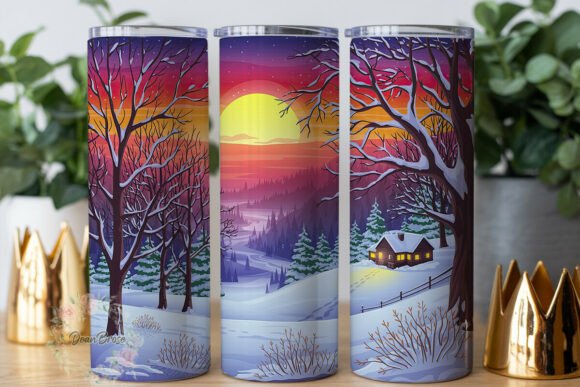
Mushroom Gnome Winter Wonderland Tumbler Review
As a designer who spends more time staring at stitch maps than most people care to admit, I approach every new machine embroidery design with a mix of excitement and skepticism. We have all been there: you buy a file based on a pretty thumbnail, only to find out the stitch density is a nightmare or the details vanish on textured fabric. Today, I am putting the Mushroom Gnome Winter Wonderland Tumbler under the microscope. This isn't just a quick glance; this is a practical evaluation for those of us running craft businesses, managing Etsy shops, or simply wanting our handmade products to look professional.
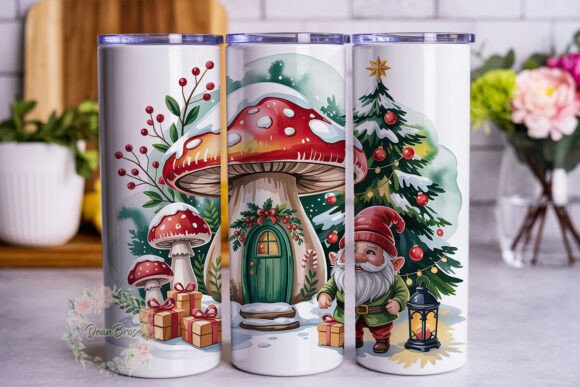
The first thing that strikes me about this asset is its mood. It captures that cozy, whimsical essence of winter without leaning too hard into clichés. The imagery suggests a quiet forest scene, likely featuring earthy tones mixed with crisp whites or soft blues. For an embroidery project, this kind of thematic clarity is gold. It tells a story before a single needle hits the fabric. However, since the product description specifies this as a high-resolution PNG set intended for Tumbler Wraps and Graphics, we need to have a serious conversation about adaptation. Using a graphic meant for sublimation or printing directly as an embroidery pattern requires a different level of scrutiny.
Adapting Graphics for Real-World Stitching
Here is the reality check: the Mushroom Gnome Winter Wonderland Tumbler files provided are PNGs at 300 DPI, sized 9.3″ x 8.2″. These are fantastic for creating printable mockups, digital product previews, or actual tumbler wraps. But if you are an apparel decorator looking to turn this into a sweatshirt embroidery piece or a custom patch, you cannot simply feed this PNG into your machine. You must digitize it first or find a corresponding stitch file.
Assuming you are taking this graphic concept and having it digitized (or if you are using it as a reference for a manual digitizing job), here is how I see it performing in real-life scenarios. Imagine a client comes to your small shop product line asking for a unique holiday gift. They want something that feels boutique, not mass-produced. This gnome theme fits perfectly on a heavy-weight fleece hoodie or a structured tote bag. The organic shapes of mushrooms and the rounded features of a gnome translate beautifully into fill stitch and satin stitch work.
However, the level of detail in the original 300 DPI graphic is high. When converting this to an embroidery file, you have to be careful with the "noise." Tiny details that look crisp on a screen can become a tangled mess of thread on fabric. If the design includes fine lines for tree branches or facial features on the gnome, these need to be simplified. A running stitch might work for outlines, but for the body of the mushrooms, a solid fill with appropriate underlay is crucial to prevent the fabric from showing through, especially on dark garments.
Fabric Choices and Technical Considerations
Let's talk about where this design shines and where it might struggle. The whimsical nature of the Mushroom Gnome Winter Wonderland Tumbler makes it an ideal candidate for holiday embroidery projects. Picture this design stitched onto a cream-colored linen tea towel or a navy blue baby onesie. The contrast would be stunning. But, you must consider the fabric texture. If you are stitching on a looped towel or a fuzzy sherpa blanket, the fine details of the gnome's hat or the gills of the mushroom might get lost. In those cases, I recommend increasing the stitch size slightly or opting for an applique design approach where fabric pieces are layered to create the shapes instead of relying solely on thread density.
Stitch density is another critical factor. If the digitizer packs too many stitches into the mushroom caps to mimic the gradient seen in the PNG, you risk creating a stiff, cardboard-like feel on the finished product. This is unacceptable for custom apparel that needs to be worn comfortably. Always test the design on scrap fabric first. Check the back of the hoop as well; excessive buildup can irritate the skin, which is a major no-no for baby embroidery items.
Furthermore, consider the hoop size. The original dimensions are roughly 9 inches wide. This is a large design. It will not fit in a standard 4x4 hoop. You will need a machine capable of handling at least a 5x7 or preferably a 6x10 area. If you are working on a cap, this design is likely too large and complex for the curved surface unless you significantly scale it down and simplify the elements. Caps require designs with less width and more vertical focus to avoid distortion.
Commercial Viability and Brand Consistency
For the Etsy seller or creative entrepreneur, the visual appeal of this design is a strong selling point. It taps into the popular "cottagecore" and fantasy aesthetics that are currently trending. Using this motif on a line of embroidered patches could be a brilliant move. Patches allow you to perfect the stitching on a stable backing before applying them to various garments, reducing the risk of ruining expensive client clothing.
When presenting this to customers, whether in person or via online listings, the quality of the stitch-out dictates your brand consistency. A sloppy execution with pulled threads or poor color transitions will erode customer trust. Conversely, a clean, vibrant rendition of the Mushroom Gnome Winter Wonderland Tumbler elevates the perceived value of your handmade product. It signals that you pay attention to detail.
One vital note on licensing: The product description mentions these are PNG files for tumbler use. It does not explicitly state the license terms for commercial embroidery use. Before you list these as design assets for sale or use them in commercial embroidery projects, you must confirm the licensing agreement. Just because you can print it on a tumbler doesn't automatically mean you can digitize and sell the stitch file or the finished embroidered goods. Always clarify this with the creator to protect your business.
Final Verdict for the Practical Maker
In conclusion, the Mushroom Gnome Winter Wonderland Tumbler graphic is a charming, high-quality starting point for winter-themed projects. Its strength lies in its atmospheric composition and versatile color palette potential. However, it is not a plug-and-play solution for embroidery machines in its current PNG format. It requires a skilled hand to translate those pixels into threads effectively.
If you are prepared to invest the time in proper digitizing, selecting the right stabilizer, and testing on various fabrics, this design can become a standout piece in your portfolio. Whether it ends up on a tote bag design for a local market or as a personalized gift for a friend, the key is respecting the limitations of the medium. Don't force tiny details onto thick fabrics, and always prioritize the durability of the stitch over mimicking the exact look of the digital graphic. With the right approach, this winter wonderland can be a profitable and beautiful addition to your craft business offerings.