I Like Plants 20oz Tumbler Wrap: A Designer's Review
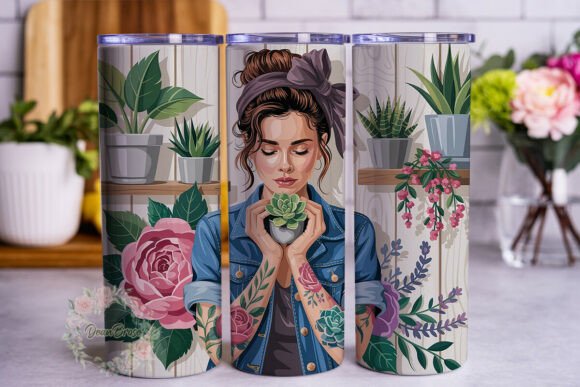
As a designer who spends more time staring at stitch maps than most people care to admit, I approach every new asset with a mix of curiosity and skepticism. When I first pulled up the I Like Plants 20oz Tumbler Wrap, my initial reaction wasn't about the tumbler application itself, but rather the potential for translation into the tactile world of embroidery. While this product is categorized under Tumbler Wraps and sold as high-resolution Graphics, the visual language of the design speaks directly to the current trends in machine embroidery. The "plant parent" aesthetic is ubiquitous, but executing it well requires a keen eye for detail, something I look for before committing thread to fabric.
Visual Personality and First Impressions
The first thing that strikes me about this design is its layout. With dimensions of 9.3″ x 8.2″ and a crisp 300 DPI resolution, the artwork offers a substantial canvas. In the context of a machine embroidery design, this scale suggests a piece meant to be a statement rather than a subtle accent. The theme is undeniably cheerful and organic. For those of us creating handmade products, the mood here is vital; it evokes growth, care, and a touch of whimsy.
When evaluating the line work and shapes within the graphic, I am immediately thinking about how these would translate into satin stitch borders or dense fill stitch areas. The clarity of the lines in the PNG file suggests that if digitized correctly—or if used as a reference for a custom digitization job—the resulting embroidery would have excellent definition. There is no muddiness in the preview, which is a good sign that the thread colors selected for the final product will pop against various backgrounds. This visual personality fits perfectly into the niche of boutique branding where customers expect a polished, professional look.
Real-World Application Scenarios
Let's move beyond the screen and imagine this design in a real workshop setting. Picture a small shop owner preparing for a spring craft fair. They need a personalized gift idea that stands out on a crowded table. While the original intent is a tumbler wrap, I see immense potential for adapting this motif onto a heavy-weight canvas tote bag design. Imagine the greenery and text stitched in vibrant greens and earthy browns against a natural linen background. The result would be a sturdy, usable item that appeals to the same demographic buying the tumbler wrap.
Another strong contender for this aesthetic is sweatshirt embroidery. A oversized crewneck featuring this botanical theme on the back or as a large chest pocket detail would resonate deeply with the "cozy plant lover" market. For baby embroidery projects, scaling down specific elements of the design could create adorable onesies or nursery wall hangings. The key here is versatility. A design that works for a 20oz tumbler often has the structural balance needed for custom apparel or even an embroidered patch that can be ironed onto denim jackets or backpacks.
For the Etsy seller looking to expand their catalog, using this graphic as a base for holiday embroidery gifts—perhaps paired with a "Grow Love" message for Valentine's Day or a fresh start theme for New Year's—could drive significant engagement. The finished product needs to feel intentional, and this design provides a solid foundation for that level of craftsmanship.
Technical Considerations and Fabric Challenges
However, enthusiasm must be tempered with technical reality. Before rushing to hoop this up, there are critical factors to consider. Since the source file is a PNG intended for printing, it is not a native embroidery file. This means you cannot simply load it into your machine. You must either use it as a print-and-stitch overlay (applique) or have it professionally digitized. If you are attempting an applique design method, the 300 DPI resolution is excellent for printing onto stabilizer or fabric before stitching down the edges.
If you are working with textured fabrics, such as a waffle knit towel or a rough canvas, the fine details of the plant leaves might get lost. Fabric texture plays a massive role in how the final stitches settle. On stretchy materials like jersey knits, the stitch density becomes a major concern. Heavy fill stitches can cause puckering if the proper stabilizer isn't used. I always recommend testing the design on scrap fabric first, specifically matching the weight and weave of your final project material.
Curved surfaces present another hurdle. While the original product is for a straight or tapered tumbler, translating this to a cap or hat requires careful manipulation of the design matrix. The curvature of a baseball cap can distort wide designs, so checking how the layout behaves in a smaller hoop size is essential. Tiny lettering, if present in the intricate parts of the plant illustration, may need to be simplified or enlarged to ensure readability after stitching. Dense stitch areas should be inspected for potential thread breaks, especially if using rayon or polyester threads with high sheen.
Enhancing Brand Value and Customer Trust
In the competitive landscape of craft business and commercial embroidery, the quality of your design assets directly impacts buyer engagement. Using a high-quality graphic like the I Like Plants 20oz Tumbler Wrap as a reference or component in your workflow elevates the perceived value of your small shop product. Customers can tell when a design is pixelated or poorly proportioned. By ensuring your embroidery maintains the crispness of the original 300 DPI graphic, you build trust.
Consistency is key for brand recognition. If you sell a tumbler with this wrap and a matching tote bag with the embroidered version, you create a cohesive collection. This cross-product strategy enhances the giftability of your items. A customer is more likely to purchase a set if the visual language is consistent across different mediums. Furthermore, creating high-quality printable mockups using the original PNG allows you to market your embroidered goods effectively before you even stitch a single thread, saving time and resources.
Practical Notes for the Studio
To get the best results from this design concept, keep these practical steps in mind:
- Verify Licensing: Always confirm the license terms before selling finished items. Just because you bought the graphic doesn't automatically grant unlimited commercial rights for physical goods unless specified.
- Check Contrast: Review how the design looks in black and white mockups to ensure the values hold up without color reliance.
- Stabilizer Selection: Match your stabilizer to the fabric weight. Cut-away is usually safer for stretchy garments, while tear-away works for stable wovens.
- Thread Testing: Run a test stitch-out to check color contrast and tension, especially if mixing matte and shiny threads.
- Digitizing Quality: If converting this PNG to an embroidery file, invest in professional digitizing to handle the complex organic shapes of the plants.
Ultimately, the I Like Plants 20oz Tumbler Wrap serves as more than just a sublimation asset; it is a versatile design element waiting to be reimagined through needle and thread. Whether you are decorating a kitchen towel, launching a new line of boutique apparel, or creating a unique digital embroidery file for others to use, the potential here is significant. With careful attention to fabric choice, stabilization, and stitch execution, this design can become a staple in your portfolio of finished products, delighting customers who appreciate both nature and craftsmanship.