Autumn Forest Cabin Waterfall Tumbler Review
As a designer who spends more time staring at stitch maps than most people spend watching television, I approach every new machine embroidery design with a mix of excitement and skepticism. We've all been there: you buy a beautiful digital embroidery file, only to find out the stitch density is so high it turns your fabric into cardboard, or the details are so fine they vanish under the needle. Today, I'm taking a close look at the Autumn Forest Cabin Waterfall Tumbler. While this asset is marketed primarily within the Tumbler Wraps and Graphics categories as a high-resolution PNG set, my job is to evaluate its potential life beyond the sublimation printer. Can this scenic artwork translate into a viable embroidery project for custom apparel or home decor? Let's dig into the practical realities.
First Impressions: Mood and Visual Personality
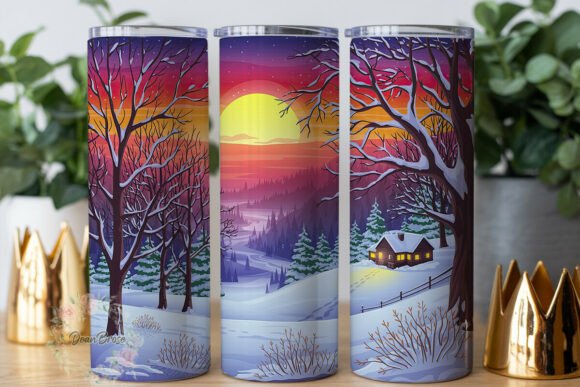
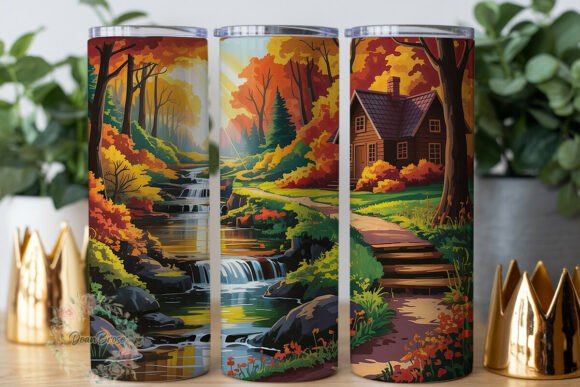
The first thing that strikes me about the Autumn Forest Cabin Waterfall Tumbler is its atmospheric depth. Even in a static image, the composition tells a story of cozy isolation. The layout features a rustic cabin nestled against a backdrop of dense woodland, anchored by the dynamic flow of a waterfall. For an embroiderer, this immediately triggers a mental checklist of techniques. The trees suggest vertical running stitch or narrow satin stitch columns, while the water demands a clever use of fill stitch to capture movement without looking like a solid block of thread. The color palette—rich ambers, deep greens, and cool blues—is inherently warm and inviting, making it a perfect candidate for fall-themed merchandise or holiday gifts.
However, because this product is sold as a graphic file (PNG, 300 DPI, 9.3″ x 8.2″) rather than a pre-digitized embroidery file, the responsibility falls on us to interpret these visuals into thread. This is actually a benefit for experienced designers. It means we aren't stuck with a generic, one-size-fits-all digitization. We have the freedom to decide how much detail to retain and how to simplify complex gradients into manageable thread colors.
Real-World Application: From Screen to Stitch
Let's imagine a real-life scenario. You run a small boutique shop selling personalized outdoor gear. A client approaches you wanting a custom sweatshirt embroidery piece for a family camping trip. They want something that feels organic, not like a slapped-on logo. The Autumn Forest Cabin Waterfall Tumbler design is ideal here. If you were to digitize this for a left-chest placement on a fleece hoodie, you would need to simplify the background foliage significantly. The original graphic has a high level of detail suitable for print, but for embroidery, you'd want to focus on the silhouette of the cabin and the main flow of the water.
Another strong use case is a decorative tote bag design. Canvas bags can handle higher stitch counts, allowing you to preserve more of the scene's intricacy. Imagine this design stitched onto a heavy-duty canvas tote, perhaps using an applique design technique where the cabin itself is a separate piece of fabric layered down. This adds texture and reduces the overall stitch count, preventing the "pucker" effect that often ruins large scenic designs. For baby embroidery projects, like a nursery wall hanging or a blanket border, you would need to scale the design down and remove tiny details that could pose a safety hazard or fray after washing.
For Etsy sellers and creative entrepreneurs, the versatility of this image is a goldmine. It fits seamlessly into holiday embroidery collections for Thanksgiving or Christmas, yet it's neutral enough for year-round cabin lovers. When creating printable mockups for your online store, having the high-res PNG allows you to show customers exactly what the final finished product could look like before you even hoop the fabric.
Technical Challenges and Fabric Considerations
While the aesthetic is stunning, we must address the technical hurdles. The Autumn Forest Cabin Waterfall Tumbler contains elements that require careful handling during the digitizing and stitching phases. First, consider the stitch density. A waterfall scene implies fluidity; if your digitizing software creates too many satin stitches in the water area, the result will be stiff and prone to breaking. You need to ensure the underlay is sufficient but not excessive.
Fabric choice is critical. This design shines on stable, woven fabrics like denim, canvas, or heavy cotton twill. If you attempt this on a stretchy jersey knit or a thin performance fabric without the proper stabilizer, the weight of the threads will distort the garment. The 9.3″ x 8.2″ dimensions of the original graphic indicate a fairly large design area. If you plan to stitch this on a cap or a small pocket, you will need to drastically reduce the size, which risks losing the definition of the cabin windows or the tree branches. Tiny lettering or intricate corners often disappear when scaled down, so always test on scrap fabric first.
Dark fabrics present another challenge. The original graphic likely assumes a light or transparent background. If stitching on black navy fleece, you must ensure your thread colors have enough contrast. You might need to add a light-colored underlay or adjust the shading in your digitized version to make the autumn leaves pop against the dark material.
Maximizing Value and Professionalism
Using a high-quality source image like the Autumn Forest Cabin Waterfall Tumbler elevates the perceived value of your handmade product. Customers can tell the difference between a pixelated, low-effort design and one with thoughtful composition. When executed well, this design builds customer trust and reinforces your brand's reputation for quality. It transforms a simple piece of custom apparel into a keepsake.
For those interested in creating embroidered patch products, this design is a strong contender. Patches allow you to stitch the design on a stable backing before applying it to the final garment, solving many tension and stability issues. This is particularly useful for commercial embroidery runs where consistency is key.
Practical Designer Notes for Success
Before you commit to stitching this on a client's expensive jacket, keep these practical tips in mind:
- Verify Licensing: Since this is sold as a graphic file, confirm the license terms regarding conversion to embroidery files for commercial sale. Some graphic licenses do not automatically cover physical goods.
- Test Stitch Density: Run a test stitch-out on similar fabric to check for puckering. Adjust your pull compensation settings if the columns of the cabin look warped.
- Check Thread Contrast: View your digitized version in black and white. If the water blends into the rocks, you need to adjust your thread selection or stitch angles.
- Hoop Size Matters: Ensure your machine's hoop size can accommodate the scaled version of the design. You may need to split the design into two hoops if you want to maintain the full 8-inch height.
- Simplify Details: Don't try to stitch every single leaf. Group foliage into larger shapes to save time and thread while maintaining the visual impact.
In conclusion, the Autumn Forest Cabin Waterfall Tumbler is a visually rich asset that, with the right digitizing strategy, can become a standout piece in any craft business portfolio. It requires a steady hand and a good eye for simplification, but the resulting personalized gift or boutique item will be well worth the effort. Whether you are decorating a kitchen towel, a pillow cover, or a premium jacket, this design offers the narrative depth that modern consumers crave.